
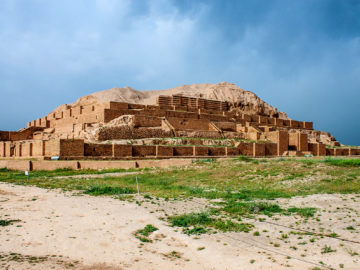
Chogha Zanbil Ziggurat
Chogha Zanbil is an ancient Elamite complex in the Khuzestan province. It is the earliest Iranian building registered in UNESCO.
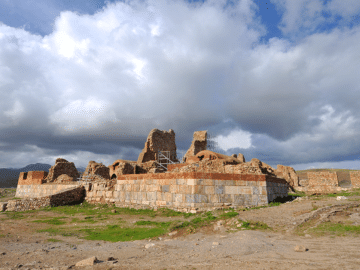
Takht-e Soleyman (The Throne of Solomon)
An important fire temple of Sasanid Dynasty in Takab city in south of West Azerbaijan province which was added to the list of UNESCO World Heritage in 2003
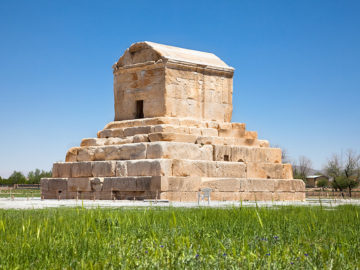
Pasargadae (Pasargad)
The complex of Pasargadae World heritage consists of archeological structures remained from Achaemenid Empire which is located in Pasargad County of Fars Province
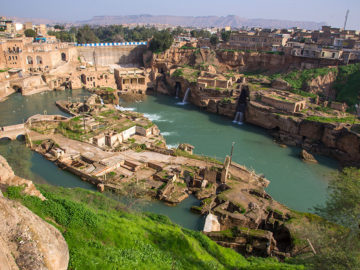
Shushtar Historical Hydraulic System
The hydraulic system of Shushtar is an interconnected complex of vast bridges, dams, mills, waterfalls and canals which lead the flow of water
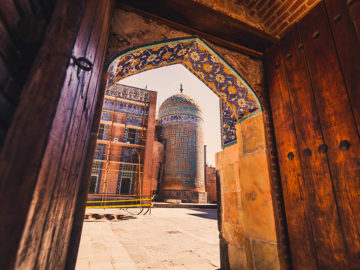
Sheikh Safi Al Din Khanegah and Shrine Ensemble
Sheikh Safi-ad-din Ardabili tomb which is located in Ardabil City is a globally registered work that includes the tomb of many Safavid kings and elders, it has a religious atmosphere
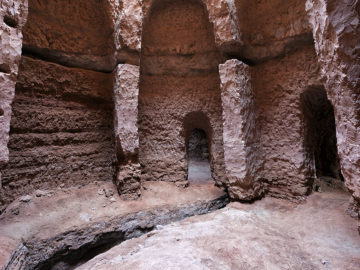
Persian Qanat
Qanat or Kariz comprises of underground horizontal channels with gentle slope that delivers subterranean water to vertical shafts

Cultural Landscape of Meymand
Meymand is one of the rocky village of the world that people are still living in and it has about 400 houses with some public places like mosque, school and Hosayniya
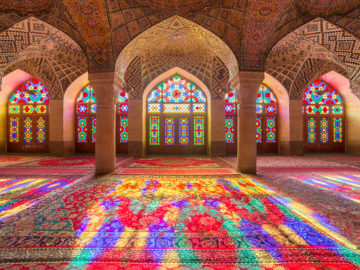
Iranian Architecture
Iranian architecture can be studied in two eras, pre-Islamic era (divided into two styles of Parsian and Parthian) and post-Islamic era
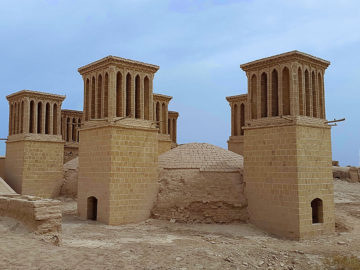
Water Reservoir (Ab Anbar)
The importance of water and its storage led to the creation of an architectural structure calling water reservoir (Ab Anbar) which is one of the tourism attraction in Iran. It is an important traditional architectural …
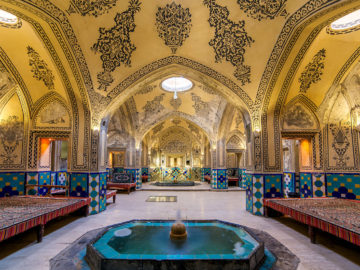
Iranian Baths
Baths are one of the most beautiful, popular and technical constructions of Iranian traditional architecture and paying attention to the health and hygiene was the most important factor in designing them in the past
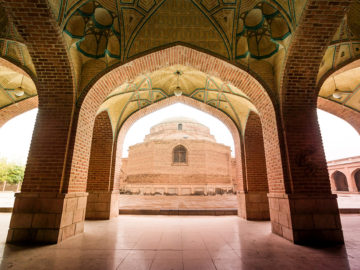
Iranian Mosque
Mosque is a holy place where Muslims worship God and it is also one of the most important buildings in Islamic architecture of Iran.

Shaft and Minaret
Shafts are architectural structures which were primarily used as guides and were created to set fire on the top pf them during the nights or to help caravans and passengers to choose a path